
The Two Barriers to Peak Athletic Performance
Introduction:
Every athlete wants to perform at their best. Whether competing at the professional level, participating in college athletics, or developing skills as a young athlete, the goal is to improve performance and achieve greater consistency.
Athletes spend countless hours practicing, refining techniques, improving physical conditioning, and preparing for competition. Yet despite their dedication, many struggle to reproduce their best performances when it matters most.
Why does an athlete perform exceptionally well during practice but struggle during competition? Why do talented athletes experience inconsistent results despite having the physical ability and technical skills to succeed?
According to Buddy Biancalana’s Zone Motion approach, many of the performance problems athletes face across different sports can be divided into two fundamental categories:
- Not enough development: The athlete’s skills aren’t sufficiently developed.
- Not enough access: The athlete struggles to consistently access their developed skills.
Understanding the difference between these two barriers can help athletes and coaches make more informed training decisions, overcome performance challenges, and work toward peak athletic performance.
Understanding Peak Athletic Performance
Peak athletic performance is the ability to execute physical, technical, and mental capabilities at a high level within the demands of a particular sport.
Achieving optimal sports performance involves more than strength, speed, endurance, and technical ability. It also requires coordination, awareness, adaptability, attention, and the ability to execute movements effectively under competitive conditions.
An athlete may possess exceptional physical abilities but still struggle to perform consistently. This highlights an important distinction between possessing a skill and being able to access that skill when needed.
Traditional athletic training often emphasizes developing abilities. While skill development is essential, athletes must also learn how to express those abilities naturally and effectively during competition.
Recognizing which area needs improvement is an important step toward reaching one’s athletic potential.
Barrier 1: Not Enough Skill Development
The first barrier to peak athletic performance occurs when an athlete has not sufficiently developed the skills required to succeed.
Skill development is the foundation of athletic success. Every sport requires specific movements, techniques, physical abilities, and decision-making skills that must be developed through training and experience.
A baseball player must develop hitting mechanics and hand-eye coordination. A basketball player must improve shooting accuracy, ball handling, and footwork. A golfer must develop swing mechanics, balance, and control.
Without adequate development, athletes may struggle to perform effectively regardless of their confidence, motivation, or mental preparation.
Signs of Insufficient Skill Development
Athletes may be experiencing a development problem when:
- Technical mistakes occur consistently during practice and competition.
- Fundamental movements are difficult to execute.
- Physical abilities do not meet the demands of the sport.
- Skills break down even in low-pressure environments.
- Athletes struggle to adapt to changing competitive situations.
- Performance limitations persist despite feeling relaxed and confident.
These challenges often indicate that additional technical instruction, physical conditioning, or structured practice may be necessary.
How Athletes Can Improve Skill Development
Effective athlete development requires purposeful training rather than simply repeating the same movements.
Athletes should focus on improving fundamental techniques, developing sport-specific physical abilities, receiving constructive coaching feedback, and practicing in environments that reflect the demands of competition.
Training should also progress according to the athlete’s experience and current ability. Developing a new skill may require conscious attention, repetition, and technical adjustments before the movement becomes more natural.
Adequate recovery, nutrition, sleep, and injury prevention also contribute to an athlete’s ability to develop and retain new skills.
However, developing skills is only one part of the performance equation.
Once athletes have acquired the necessary abilities, they face another challenge: consistently accessing them.
Barrier 2: Not Enough Access to Developed Skills
The second barrier is particularly important for athletes who demonstrate strong abilities but experience inconsistent athletic performance.
An athlete may have excellent mechanics, physical conditioning, and technical knowledge but struggle to reproduce those abilities during competition.
This is what Zone Motion describes as a lack of access.
Skill access refers to an athlete’s ability to utilize previously developed abilities effectively within a given performance environment.
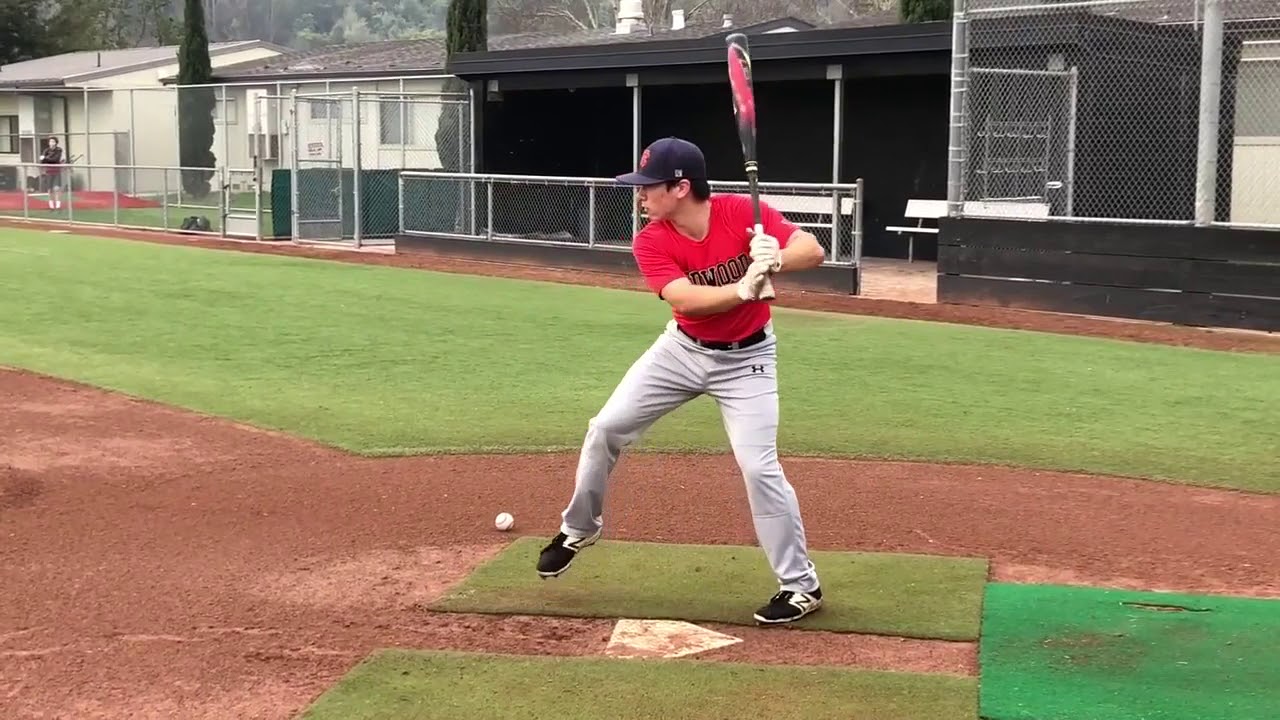
Consider a baseball player who consistently makes solid contact during batting practice but struggles at the plate during games. Or a basketball player who shoots accurately during training but misses routine shots when the pressure increases.
In both situations, the athlete has demonstrated the ability to perform the skill. The challenge may involve accessing that ability consistently under different conditions.
Signs of a Skill Access Problem
An athlete may be experiencing difficulty accessing developed skills when:
- Practice performance is significantly better than competition performance.
- Performance varies dramatically from one game to another.
- Previously natural movements begin to feel forced.
- The athlete overthinks familiar techniques.
- Confidence changes significantly following mistakes.
- Competitive pressure disrupts established movement patterns.
- The athlete struggles to reproduce previous successful performances.
These symptoms do not automatically mean that an athlete needs to rebuild their technique. Instead, they may indicate that attention, pressure, movement coordination, or other competitive factors are interfering with performance.
Understanding this distinction can help prevent unnecessary technical changes.
Why Athletes Perform Better in Practice Than Competition
One of the most frustrating experiences in sports is knowing that you possess the necessary skills but being unable to demonstrate them consistently.
Practice environments are often more predictable and less stressful than competition. Athletes may feel comfortable experimenting, making mistakes, and executing movements without worrying about the outcome.
Competition introduces additional challenges, including expectations, time constraints, opponents, spectators, and consequences.
These factors can influence how athletes direct their attention and execute movements.
Research in sports psychology suggests that excessive conscious monitoring of well-learned movements and distractions caused by competitive pressure can interfere with skilled performance.
This does not mean that pressure always reduces performance. Some athletes respond positively to competitive situations. The challenge is understanding how an individual responds and identifying what supports effective skill execution.
For athletes struggling with consistency, improving performance may involve more than additional repetitions. It may require changing how they approach and experience competition.
The Role of the Brain-Body Connection in Sports Performance
Athletic movement involves continuous communication between the brain, nervous system, and body.
When athletes execute a movement, the nervous system coordinates muscular activity while processing sensory information and responding to environmental demands.
This brain-body connection is fundamental to athletic performance.
As athletes develop motor skills through experience and practice, certain movements can become increasingly automatic. This allows athletes to execute familiar actions with less conscious attention to individual movement components.
For example, an experienced tennis player does not need to consciously calculate every joint movement involved in returning a serve. Instead, the player responds to the ball’s speed, direction, and trajectory using established movement abilities.
Excessive attention to mechanical details during fast-moving competition may interfere with this natural coordination in some circumstances.
Zone Motion emphasizes attention, automaticity, and the brain-body connection as important considerations in helping athletes access developed skills.
The objective is not to eliminate technical training but to complement it by helping athletes use what they have already learned more effectively.
Skill Development vs. Skill Access: What Is the Difference?
Although skill development and skill access are closely connected, they address different aspects of sports performance.
| Skill Development | Skill Access |
| Building new athletic abilities | Utilizing existing athletic abilities |
| Improving movement mechanics | Executing established movements |
| Developing strength and coordination | Applying abilities under competitive conditions |
| Learning sport-specific techniques | Performing familiar techniques consistently |
| Expanding athletic capabilities | Expressing developed athletic capabilities |
| Improving what an athlete can do | Improving how reliably an athlete can do it |
Both areas are essential to long-term athletic improvement.
An athlete who lacks fundamental skills needs development. An athlete who possesses those skills but struggles to reproduce them may need to focus more on access.
Many athletes experience a combination of both challenges.
The key is identifying which barrier is most relevant to the athlete’s current performance problem rather than assuming every difficulty requires the same solution.
How Overthinking Can Affect Athletic Performance
Athletes are often encouraged to concentrate harder, think about their mechanics, and mentally prepare for every competitive situation.
While conscious attention is valuable during certain stages of skill development, excessive thinking during execution can sometimes disrupt established movements.
A golfer who begins consciously monitoring every component of a familiar swing may struggle to maintain a natural rhythm. A baseball player who focuses on multiple mechanical adjustments while facing a fast pitch may have difficulty responding effectively.
This phenomenon is sometimes associated with choking under pressure, although inconsistent performance can occur without an obvious high-pressure situation.
Sports psychology research has examined how distraction and excessive self-monitoring can affect motor performance during competition.
Athletes can benefit from learning when technical analysis is appropriate and when their attention is better directed toward the task itself.
The goal is not to stop thinking altogether. It is to use attention in a way that supports effective athletic movement.
How to Improve Consistency in Sports
Consistent athletic performance requires a balanced approach to training, preparation, and competition.
Athletes and coaches can begin addressing the two performance barriers through several practical strategies.
1. Identify the Actual Performance Problem
Before making changes to training, determine whether the athlete lacks the necessary skills or struggles to access existing abilities.
Compare performance across practice sessions, competitive situations, and different levels of difficulty.
Look for recurring patterns rather than drawing conclusions from a single disappointing performance.
2. Develop Strong Athletic Fundamentals
Continue improving the physical and technical abilities required for the sport.
Strong fundamentals provide athletes with a foundation they can build upon as competitive demands increase.
Skill development should remain an ongoing component of athletic training, regardless of experience level.
3. Separate Technical Training From Competitive Execution
Technical instruction can be extremely valuable during practice. However, athletes may benefit from reducing unnecessary mechanical analysis while executing familiar skills during competition.
Use dedicated practice sessions to evaluate technique and make adjustments.
During competition, experiment with simple, task-relevant cues that support effective execution without creating unnecessary distractions.
4. Practice Under Realistic Competitive Conditions
Training should gradually expose athletes to situations that reflect the demands of competition.
This may include time constraints, changing environments, simulated opponents, or appropriate competitive challenges.
The purpose is to help athletes adapt their developed skills to different situations rather than relying exclusively on predictable practice routines.
5. Improve Awareness of Athletic Movement
Athletes can benefit from developing awareness of how their movements feel and how their attention changes during performance.
Recognizing differences between successful and unsuccessful execution may help athletes identify conditions that support more effective movement.
This awareness should support performance rather than encourage constant mechanical self-monitoring.
6. Evaluate Performance Beyond the Final Result
A successful outcome does not always indicate effective execution, and an unsuccessful outcome does not necessarily indicate poor technique.
Athletes should consider movement quality, decision-making, attention, adaptability, and competitive circumstances when evaluating performance.
This broader perspective can help athletes and coaches identify meaningful areas for improvement.
The Importance of Skill Access Across Different Sports
The relationship between skill development and skill access applies to both individual and team sports.
Baseball and Softball
Players must develop hitting, pitching, throwing, and fielding skills while learning to access those abilities against unpredictable opponents and changing game conditions.
Basketball
Shooting, passing, dribbling, and defensive movement require both technical development and effective execution under pressure.
Golf
Golfers must develop swing mechanics and distance control while managing the attention and coordination required to reproduce effective movements throughout a round.
Football
Football players must combine strength, speed, coordination, and tactical awareness with the ability to react effectively during fast-moving plays.
Tennis
Tennis players must develop stroke mechanics, footwork, and timing while accessing those skills against opponents who constantly change the pace and direction of play.
Soccer
Soccer players must execute passing, shooting, dribbling, and defensive skills while responding to rapidly changing competitive environments.
Volleyball
Volleyball players rely on timing, coordination, positioning, and movement execution to serve, pass, set, and attack effectively.
Regardless of the sport, developing athletic abilities and accessing those abilities are complementary parts of the performance process.
How Coaches Can Help Athletes Overcome Performance Barriers
Coaches play an important role in identifying whether an athlete needs additional development or improved access to existing skills.
When athletes experience inconsistent performance, the immediate response may be to introduce more drills, technical instruction, or mechanical adjustments.
Although these approaches can be valuable, they may not address every performance problem.
Coaches can support athletes by observing differences between practice and competition, providing clear and purposeful feedback, encouraging adaptable movement, and avoiding unnecessary technical complexity during execution.
It is also important to consider other factors that may influence performance, including fatigue, injury, training load, recovery, and the quality of the opposition.
An athlete-centered coaching approach recognizes that performance challenges are not always caused by insufficient effort or technical ability.
By understanding the difference between development and access, coaches can make more targeted decisions that support long-term athlete development.
The Zone Motion Approach to Athletic Performance
Buddy Biancalana’s Zone Motion approach emphasizes a distinction that is often overlooked in traditional sports training: the difference between developing athletic skills and accessing them.
Zone Motion focuses on sports neuroscience training, attention, automaticity, and the brain-body connection to complement traditional athlete development.
Rather than assuming every performance challenge requires a mechanical adjustment, the approach encourages athletes to consider how they access the abilities they have already developed.
This perspective can be particularly relevant for athletes who demonstrate strong technical skills but struggle with inconsistent performance.
Zone Motion encourages athletes and coaches to explore a more comprehensive understanding of sports performance that goes beyond physical training alone.
Frequently Asked Questions About Peak Athletic Performance
What are the two main barriers to peak athletic performance?
According to the Zone Motion framework, two major barriers are insufficient skill development and insufficient access to developed skills. The first concerns the athlete’s current abilities, while the second concerns the ability to execute those abilities consistently.
How can athletes improve their athletic performance?
Athletes can improve performance through purposeful practice, technical development, physical conditioning, adequate recovery, competitive preparation, and training that supports effective access to established skills.
Why do athletes perform well in practice but poorly in games?
Differences between practice and competition may arise from pressure, distractions, excessive conscious control, unfamiliar conditions, fatigue, or stronger opposition. Identifying the underlying cause can help athletes develop a more appropriate training strategy.
What is skill access in sports?
Skill access describes the ability to utilize previously developed athletic skills effectively. It involves expressing established abilities under the demands of a particular performance environment.
Can overthinking negatively affect sports performance?
Yes. Excessive conscious attention to familiar movement mechanics can sometimes interfere with automatic skill execution. However, proper technical thinking remains useful during appropriate stages of learning and practice.
How can athletes become more consistent?
Athletes can work toward greater consistency by strengthening fundamentals, practicing under realistic conditions, improving attentional control, monitoring recovery, and identifying whether their primary challenge involves skill development or skill access.
What is automaticity in sports?
Automaticity refers to the ability to execute well-learned movements with reduced conscious control. It allows athletes to direct more attention toward relevant external information and the demands of competition.
Is mental performance as important as physical training?
Both physical and mental aspects of performance are important. Physical training develops athletic capabilities, while attention, preparation, decision-making, and responses to pressure influence how those capabilities are expressed.
Can Zone Motion be applied to any sport?
The Zone Motion framework is intended to address principles relevant to multiple sports, including skill development, movement execution, attention, and performance consistency. Individual training needs will vary depending on the athlete and the demands of the sport.
Does improving skill access replace traditional athletic training?
No. Skill access training complements traditional athletic training. Athletes still need to develop technical abilities, physical conditioning, coordination, and sport-specific experience.
Unlock Your Athletic Potential With Zone Motion
Achieving peak athletic performance is not simply about training harder, practicing longer, or developing more advanced techniques.
It is also about learning to access the abilities you have already developed.
When athletes understand the difference between a skill development problem and a skill access problem, they can make more informed decisions about their training and competitive preparation.
Instead of automatically responding to inconsistent performance with more technical adjustments, athletes and coaches can explore the underlying factors that influence movement execution.
Whether you are a competitive athlete, a coach, or a parent supporting a young athlete, understanding these two barriers can provide a valuable perspective on long-term athletic improvement.
Discover Buddy Biancalana’s Zone Motion approach and explore how skill development, attention, and the brain-body connection can complement your athletic training.
Develop your skills. Access your abilities. Work toward your full athletic potential.
Learn more at zonemotion.com.
Contact Zone Motion at 913-353-4175.


About Post Author