
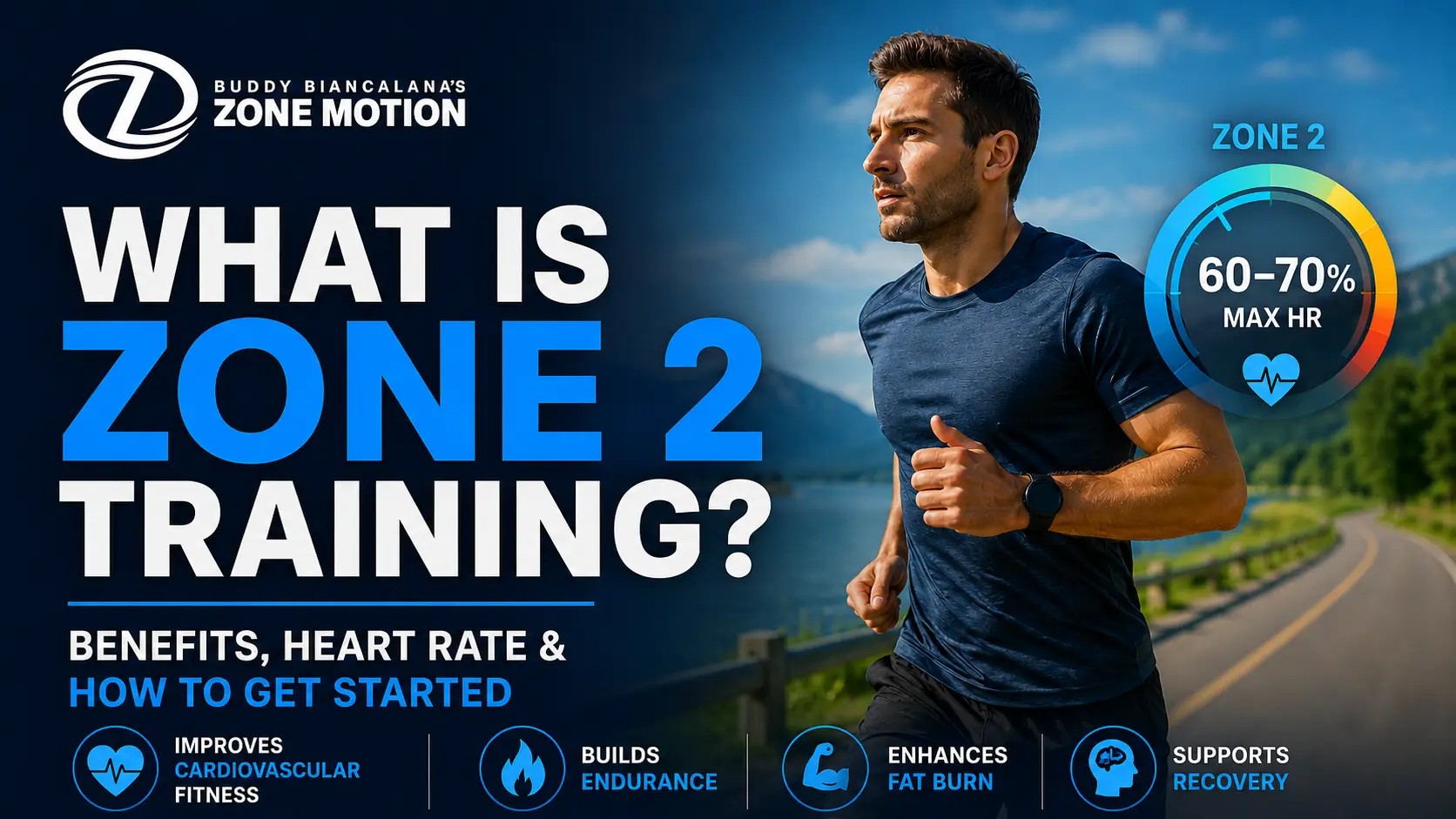
What Is Zone Motion Training? Benefits, Heart Rate & How to Get Started
Zone 2 training has become one of the most talked-about approaches to improving cardiovascular fitness, endurance, and metabolic health. Unlike intense workouts that leave you breathless, Zone 2 training focuses on maintaining a steady, moderate effort that you can sustain for an extended period.
It is often associated with endurance athletes, but you do not need to be a runner or cyclist to benefit from it. Walking, cycling, using an elliptical, or exercising on other cardio equipment can all be used for Zone 2 workouts when the intensity is appropriate.
The key is finding an effort level that challenges your cardiovascular system without pushing you into a much higher heart-rate zone.
This guide explains what Zone 2 training is, how to estimate your Zone 2 heart rate, its potential benefits, how often to train, and how beginners can get started.
What Is Zone 2 Training?
Zone 2 training is a form of low-to-moderate intensity aerobic exercise performed at an effort that allows your body to rely heavily on aerobic energy production.
During a Zone 2 workout, your breathing becomes faster than it would during normal daily activities, but you should generally still be able to maintain a conversation. The goal is not to exercise as hard as possible. Instead, Zone 2 training emphasizes consistency and sustained effort.
Common Zone 2 activities include:
- Brisk walking
- Easy jogging
- Cycling
- Stationary bike workouts
- Elliptical training
- Rowing at a comfortable pace
- Hiking
- Other steady-state cardio exercises
One reason Zone 2 has attracted so much attention is that it provides a way to build aerobic fitness without requiring the high intensity associated with sprinting or traditional HIIT workouts.
What Heart Rate Is Zone 2?
Your Zone 2 heart rate depends on factors such as age, fitness level, resting heart rate, and the method used to calculate training zones.
A simple estimate starts with your maximum heart rate.
A commonly used formula is:
Maximum heart rate ≈ 220 − your age
Zone 2 is often estimated at approximately 60% to 70% of maximum heart rate, although different training systems use different ranges.
For example, if someone is 35 years old:
Estimated maximum heart rate:
220 − 35 = 185 beats per minute
Using a 60%–70% estimate:
Zone 2 ≈ 111–130 beats per minute
This calculation is only an estimate. Maximum heart rate formulas can vary considerably between individuals, so your actual training zones may be different.
For a more precise assessment, athletes may use testing based on lactate or ventilatory thresholds under professional supervision.
How Does Zone 2 Feel?
Heart rate is useful, but you do not always need a heart-rate monitor to perform a Zone 2 workout.
The talk test is a practical way to estimate your intensity.
During a typical Zone 2 session, you should be able to speak in complete sentences without struggling for breath. You should feel like you are working, but you should not feel as though you are approaching an all-out effort.
Signs that your workout may be too intense include:
- You can only speak a few words at a time.
- Your breathing becomes very difficult to control.
- You feel that you need to stop frequently.
- Your heart rate is consistently well above your intended training range.
If the workout feels extremely easy and your breathing barely changes, you may need to increase the pace or resistance slightly.
The goal is a sustainable middle ground.
Benefits of Zone 2 Training
Zone 2 workouts can provide several benefits when incorporated into a balanced exercise routine.
1. Supports Cardiovascular Fitness
Regular aerobic exercise helps train your cardiovascular system to work efficiently. Over time, consistent endurance training can improve your ability to perform sustained physical activity.
This can be particularly useful for people who want to improve their overall cardio fitness without relying exclusively on high-intensity workouts.
2. Builds Aerobic Endurance
One of the primary reasons athletes use steady-state cardio is to develop endurance.
By exercising continuously at a manageable intensity, you can gradually increase the amount of time you are able to stay active.
For beginners, this might mean starting with 20 to 30 minutes and gradually increasing the duration as fitness improves.
3. Can Support Weight Management
Zone 2 training can contribute to an active lifestyle and increase daily energy expenditure.
However, it is important to understand that fat loss is not determined by a single workout or heart-rate zone. Sustainable weight management generally depends on overall energy balance, nutrition, sleep, activity levels, and long-term consistency.
Zone 2 cardio can be one useful component of that larger strategy.
4. Provides a Lower-Impact Cardio Option
Activities such as walking, cycling, and elliptical training can provide aerobic exercise with less impact than activities such as running.
This makes steady-state cardio appealing to people who prefer lower-impact forms of exercise.
The appropriate exercise depends on individual fitness, goals, and physical limitations.
5. Helps Build Exercise Consistency
One advantage of moderate-intensity cardio is that it can be easier to recover from than frequent all-out workouts.
Because Zone 2 sessions are generally sustainable, they can fit into a regular weekly training routine.
Consistency matters more than trying to make every workout extremely difficult.
6. Develops Aerobic Capacity
Regular aerobic exercise challenges the body’s ability to deliver and use oxygen during physical activity.
Over time, structured endurance training can contribute to improvements in aerobic capacity and overall exercise performance.
Zone 2 vs HIIT: What’s the Difference?
Zone 2 training and high-intensity interval training (HIIT) serve different purposes.
Zone 2 involves maintaining a relatively steady intensity for an extended period. HIIT alternates short periods of hard exercise with recovery periods.
For example:
Zone 2 workout:
30–45 minutes of steady cycling at a conversational pace.
HIIT workout:
Short periods of hard cycling followed by easier recovery periods, repeated several times.
Neither approach is automatically better for everyone.
Zone 2 can be useful for developing aerobic endurance and accumulating regular cardiovascular activity. HIIT can provide a time-efficient way to perform vigorous exercise and improve aspects of cardiovascular fitness.
A well-rounded fitness program can include both, depending on your goals and ability to recover.
How to Start Zone 2 Training as a Beginner
You do not need to start with long workouts.
If you are new to structured cardio, begin with a manageable session.
Step 1: Choose an Activity
Pick something you can perform comfortably and consistently.
Good beginner options include:
- Walking
- Stationary cycling
- Outdoor cycling
- Elliptical training
- Easy jogging
Choose an activity you enjoy. Enjoyment makes it easier to maintain a routine.
Step 2: Start With 20–30 Minutes
A 20- to 30-minute session can be enough when you are starting.
Focus on maintaining a steady effort rather than trying to cover a specific distance.
Step 3: Monitor Your Effort
Use a heart-rate monitor if you have one, but also pay attention to how you feel.
You should be breathing more heavily than normal while still being able to speak reasonably comfortably.
Step 4: Increase Duration Gradually
As your fitness improves, you can gradually increase the length of your sessions.
For example:
Weeks 1–2: 20–30 minutes
Weeks 3–4: 30–40 minutes
Later: 40–60 minutes as appropriate
There is no requirement to reach a particular duration immediately.
Step 5: Focus on Consistency
Doing moderate cardio regularly is generally more useful than completing one very long workout and then stopping for several days.
Build a routine that fits your schedule and recovery needs.
How Often Should You Do Zone 2 Training?
The ideal amount depends on your fitness level, goals, and overall exercise routine.
A beginner might start with two to three Zone 2 workouts per week.
As fitness improves, some people may perform aerobic training on most days of the week, while others may combine it with strength training, intervals, sports, or other activities.
The important factor is creating a sustainable training schedule.
If you are already following a structured exercise program, consider how Zone 2 sessions fit alongside your harder workouts and recovery days.
Can You Do Zone 2 Training Every Day?
Some people can perform low-to-moderate intensity aerobic exercise frequently, particularly when the activity is low impact and the duration is reasonable.
However, doing cardio every day does not mean every session should be long or challenging.
Your overall training program should allow enough recovery, especially if you also perform strength training or high-intensity workouts.
Pay attention to signs of excessive fatigue, declining performance, persistent soreness, or reduced motivation.
Best Equipment for Zone 2 Cardio
Zone 2 training does not require expensive equipment. Walking outdoors can be enough.
However, cardio equipment can make it easier to control your pace, resistance, and workout duration.
Depending on your preferences, useful options include:
Treadmill
A treadmill allows you to control walking or jogging speed and, on many models, incline.
It can be particularly useful for maintaining a consistent indoor workout.
Exercise Bike
A stationary bike provides a convenient way to perform steady-state cardio while controlling resistance and cadence.
It can also be a good option for people who prefer cycling to walking or running.
Elliptical
An elliptical trainer provides a low-impact cardiovascular workout while engaging both the upper and lower body on many machines.
Rowing Machine
A rowing machine can provide a full-body cardiovascular workout. Beginners should learn proper technique before increasing intensity or duration.
How to Know If Your Zone 2 Training Is Working
Progress does not always mean exercising harder.
Over time, you may notice that you can:
- Exercise for longer at the same effort
- Maintain a faster pace at a similar heart rate
- Recover more comfortably after workouts
- Complete everyday activities with less fatigue
- Maintain a consistent exercise routine
Keeping a simple record of workout duration, activity, pace, and heart rate can help you identify trends.
Do not expect major changes after only a few sessions. Aerobic fitness develops through repeated training over time.
Common Zone 2 Training Mistakes
Going Too Hard
One of the most common mistakes is turning a moderate workout into a hard workout.
If you cannot maintain a conversation and your breathing becomes difficult, reduce the pace or resistance.
Going Too Easy
The opposite problem can also occur. If your effort is barely above normal daily activity, you may need to increase the intensity slightly.
Obsessing Over One Heart Rate Number
Heart rate changes throughout the day due to factors such as stress, temperature, hydration, sleep, and fatigue.
Use heart rate as a guide rather than treating one number as an absolute rule.
Increasing Duration Too Quickly
More exercise is not always better. Increase your training volume gradually and give your body time to adapt.
Ignoring Strength Training
Cardiovascular fitness is only one part of overall fitness. A balanced exercise program can also include strength training, mobility work, and adequate recovery.
Is Zone 2 Training Good for Weight Loss?
Zone 2 workouts can support weight management by increasing physical activity and energy expenditure.
However, the idea that Zone 2 is a special “fat-burning zone” that automatically produces greater fat loss is an oversimplification.
Your body uses a mixture of energy sources during exercise, and the proportion can change with exercise intensity and duration.
For long-term weight management, focus on sustainable exercise, appropriate nutrition, sufficient sleep, and overall lifestyle habits rather than relying on one training zone.
Frequently Asked Questions About Zone 2 Training
What is Zone 2 training?
Zone 2 training is generally a low-to-moderate intensity form of aerobic exercise performed at a sustainable pace. It is commonly associated with steady-state activities such as walking, cycling, jogging, and elliptical workouts.
What should my heart rate be in Zone 2?
A commonly used estimate places Zone 2 around 60%–70% of maximum heart rate, but training-zone calculations vary. Your actual Zone 2 range may differ based on your individual physiology and the testing method used.
Is walking Zone 2 cardio?
Yes. Brisk walking can be Zone 2 exercise if it raises your heart rate and breathing to the appropriate level for you. The same activity can fall into different training zones for different people.
How long should a Zone 2 workout last?
Beginners can start with around 20–30 minutes and gradually increase the duration. More experienced individuals may perform longer sessions depending on their goals and training schedule.
How many days a week should I do Zone 2?
Two to three sessions per week can be a practical starting point for beginners. The appropriate frequency depends on your overall activity level, goals, recovery, and other forms of exercise.
Is Zone 2 better than HIIT?
Not necessarily. Zone 2 and HIIT provide different training stimuli. Zone 2 focuses on sustainable aerobic exercise, while HIIT uses repeated periods of vigorous effort. Both can have a place in a balanced fitness program.
Can Zone 2 training help with weight loss?
It can contribute to weight management by increasing physical activity and energy expenditure. However, sustainable weight loss depends on overall energy balance, nutrition, activity, and lifestyle rather than one specific workout zone.
Do I need a heart-rate monitor for Zone 2 training?
No. A heart-rate monitor can provide useful information, but beginners can also use perceived exertion and the talk test to estimate whether they are exercising at an appropriate intensity.
Is Zone 2 training safe for beginners?
Moderate aerobic exercise is appropriate for many healthy adults, but people with medical conditions, significant symptoms, or concerns about starting an exercise program should consult a qualified healthcare professional before beginning.
Final Thoughts
Zone 2 training is a straightforward approach to building aerobic fitness through sustainable, moderate-intensity exercise. You do not need to run long distances or complete exhausting workouts to get started.
Walking, cycling, using an elliptical, or performing another steady-state cardio activity can all become Zone 2 workouts when performed at the appropriate intensity.
Start with a manageable duration, monitor your effort, increase your training gradually, and focus on consistency.
For people building a home fitness routine, the right cardio equipment can make steady-state training more convenient and easier to maintain. The best option is ultimately the one that matches your goals, available space, fitness level, and preferred way to exercise.
Before making major changes to your exercise routine, particularly if you have an underlying health condition or have been inactive for a long period, consider speaking with a qualified healthcare professional.
Ready to Improve Your Fitness With Zone 2 Training? Explore Sports & Fitness Courses at ZoneMotion
If you are looking to build better cardiovascular fitness, endurance, and exercise consistency, Zone 2 training can be a practical addition to your workout routine. The right guidance can help you understand training intensity, choose suitable activities, and build a sustainable approach to fitness.
-
“`
- Learn About Fitness Training – Explore courses and resources designed to help you develop your understanding of exercise, training, and physical performance.
- Build Better Cardio Habits – Learn how consistent aerobic exercise can fit into your overall fitness routine and support long-term endurance.
- Explore Sports Courses – Discover the available sports courses from ZoneMotion and find learning opportunities that match your fitness and sporting interests.
- Improve Your Training Knowledge – Understanding exercise intensity, recovery, and training methods can help you make more informed decisions about your workouts.
- Find a Sustainable Approach – Whether you are new to exercise or looking to improve your current routine, developing sustainable training habits can make it easier to stay consistent. “`
Ready to take the next step? Explore ZoneMotion’s sports courses to discover training and fitness resources that can help you continue learning and improving your approach to exercise.


About Post Author